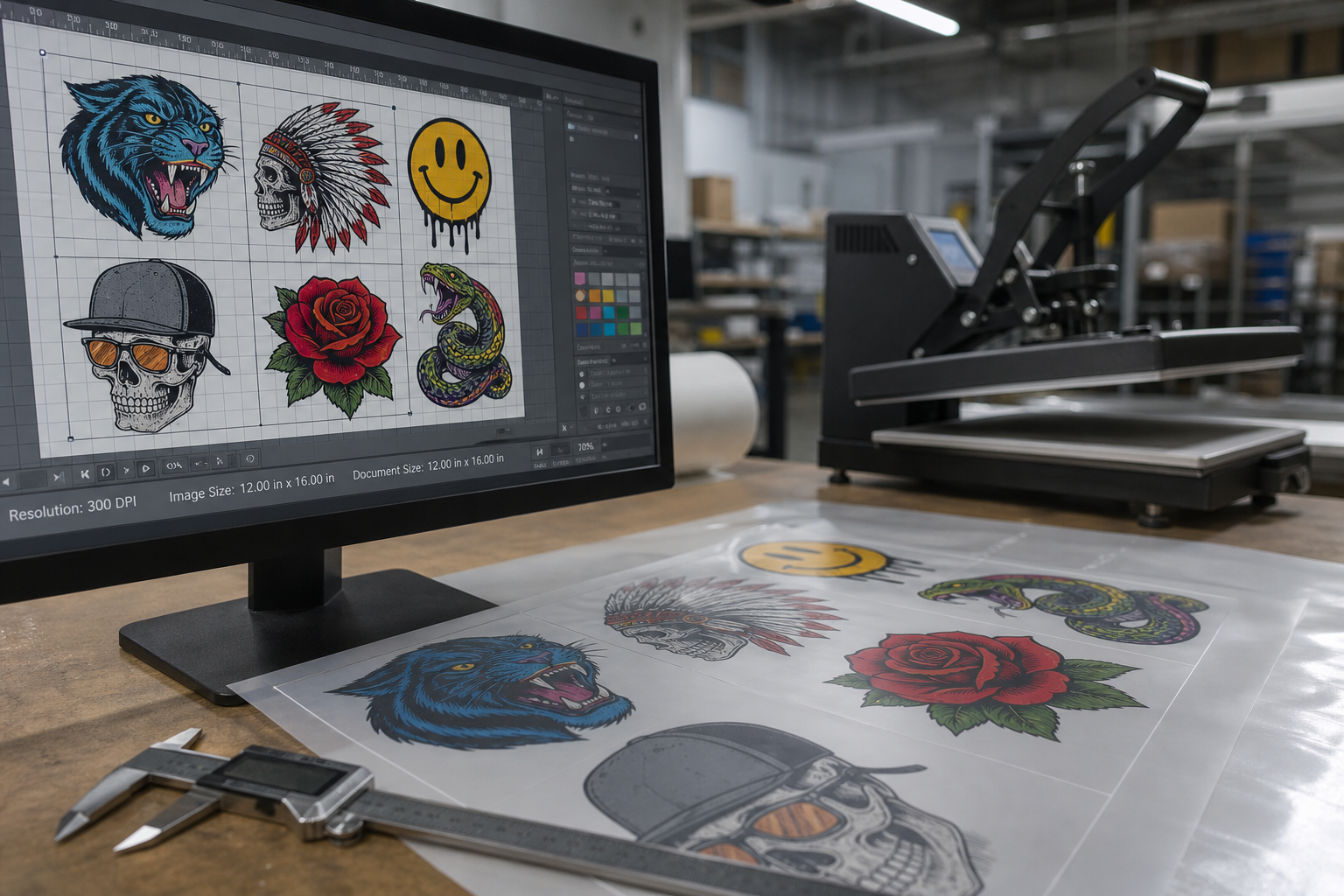
DTF Customer Upload Mistakes Print Shops See Every Week
The DTF customer upload mistakes that cause reprints: low DPI, JPG backgrounds, wrong size in inches, screenshots, and mixed color modes. Fix the intake rules before files hit nesting.
DTF & print shop insights from Formulated Apps. Tips on automation, workflow, and scaling with Pro Transfers Builder.
The DTF customer upload mistakes that cause reprints: low DPI, JPG backgrounds, wrong size in inches, screenshots, and mixed color modes. Fix the intake rules before files hit nesting.
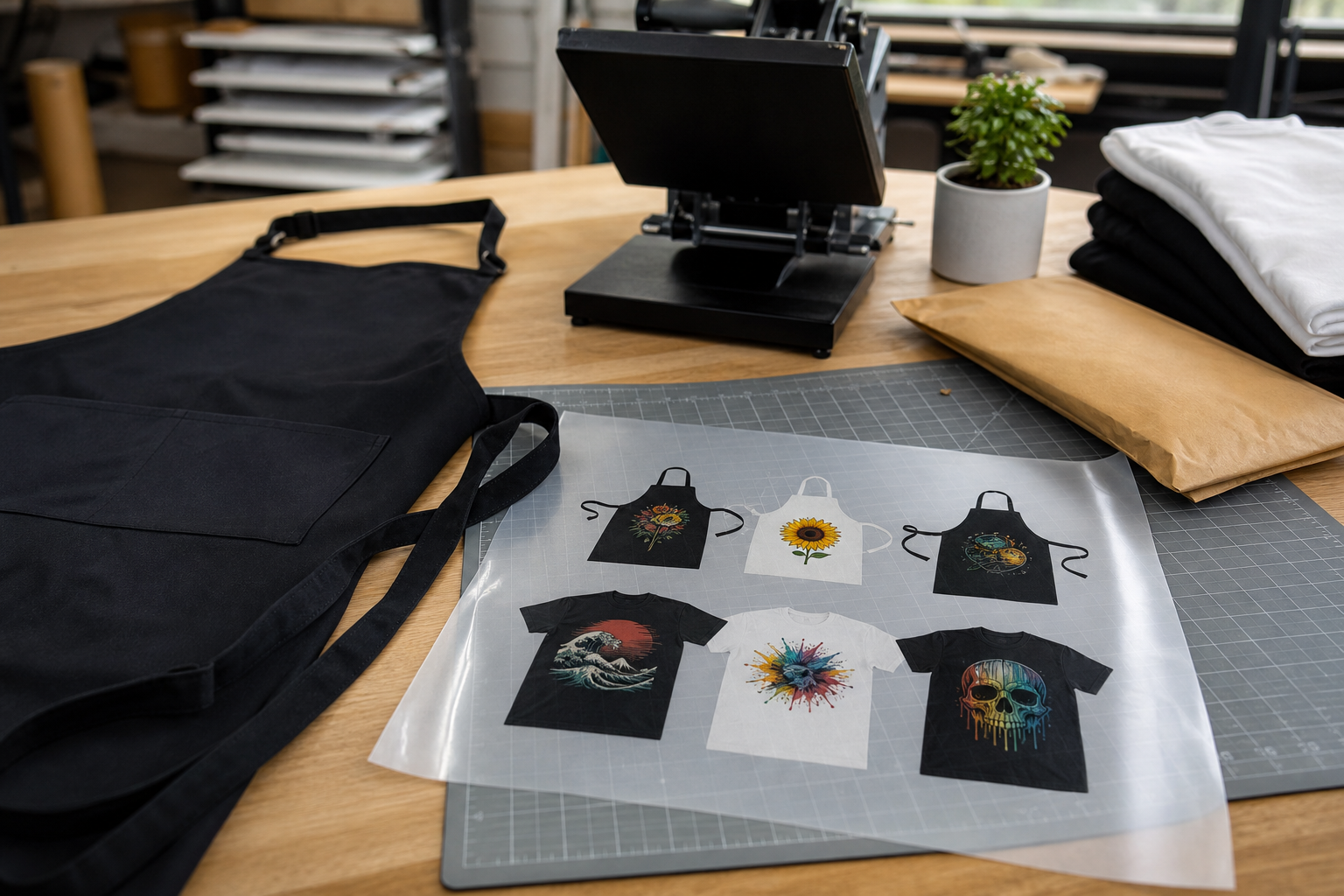
A practical DTF timeline for food booths and market vendors: when to finalize apron art, how small gang sheets work, and how to press before a busy market week without reprints.
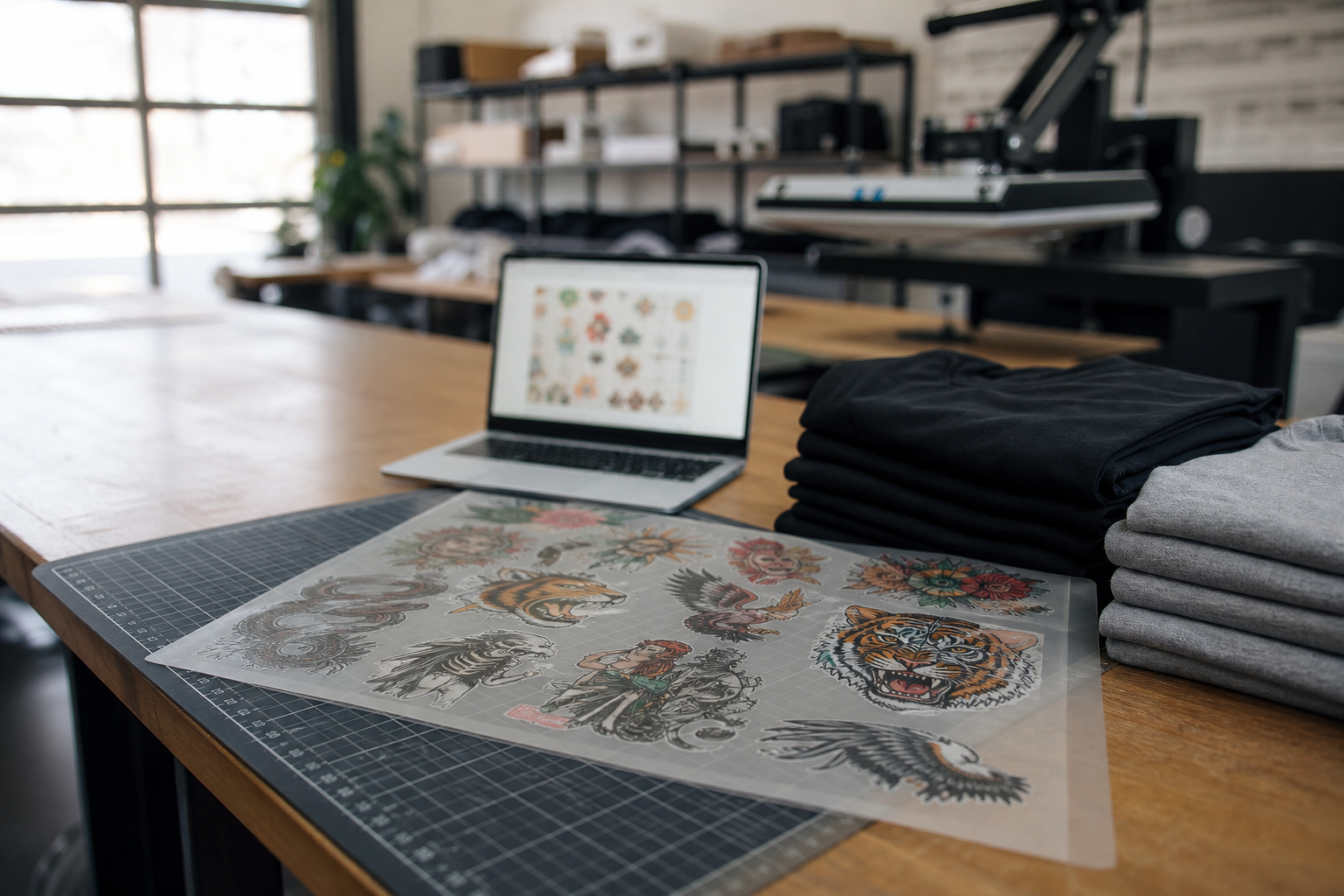
Why Shopify DTF shops should put an auto gang sheet builder on the product page: customer nesting, fewer staff rebuilds, order-linked exports, and how Pro Transfers Builder fits.
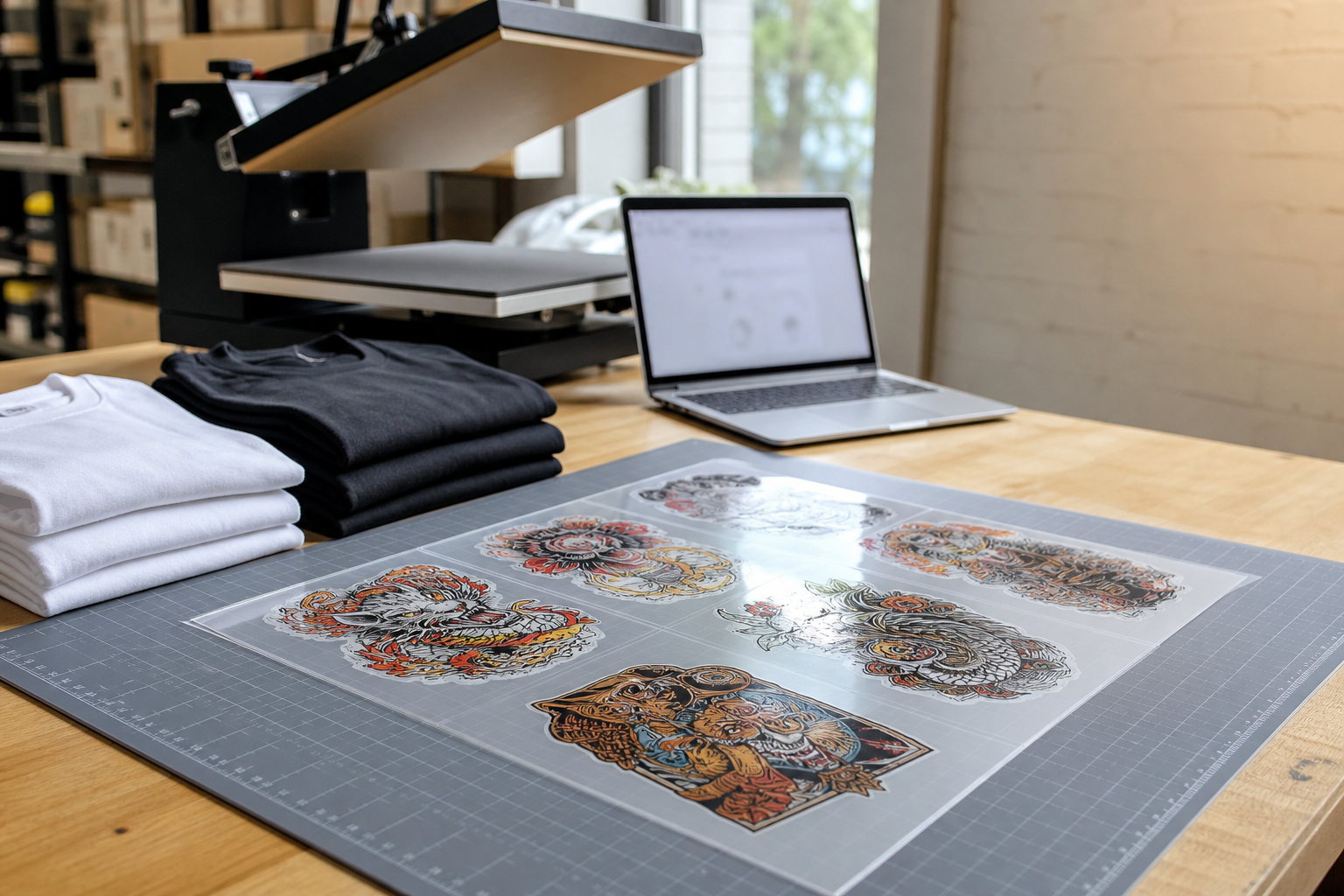
Formulated Apps does not guess what print shops need. We watch Formulated Prints handle real uploads, approvals, and reprints, then ship Pro Transfers Builder fixes from that queue.
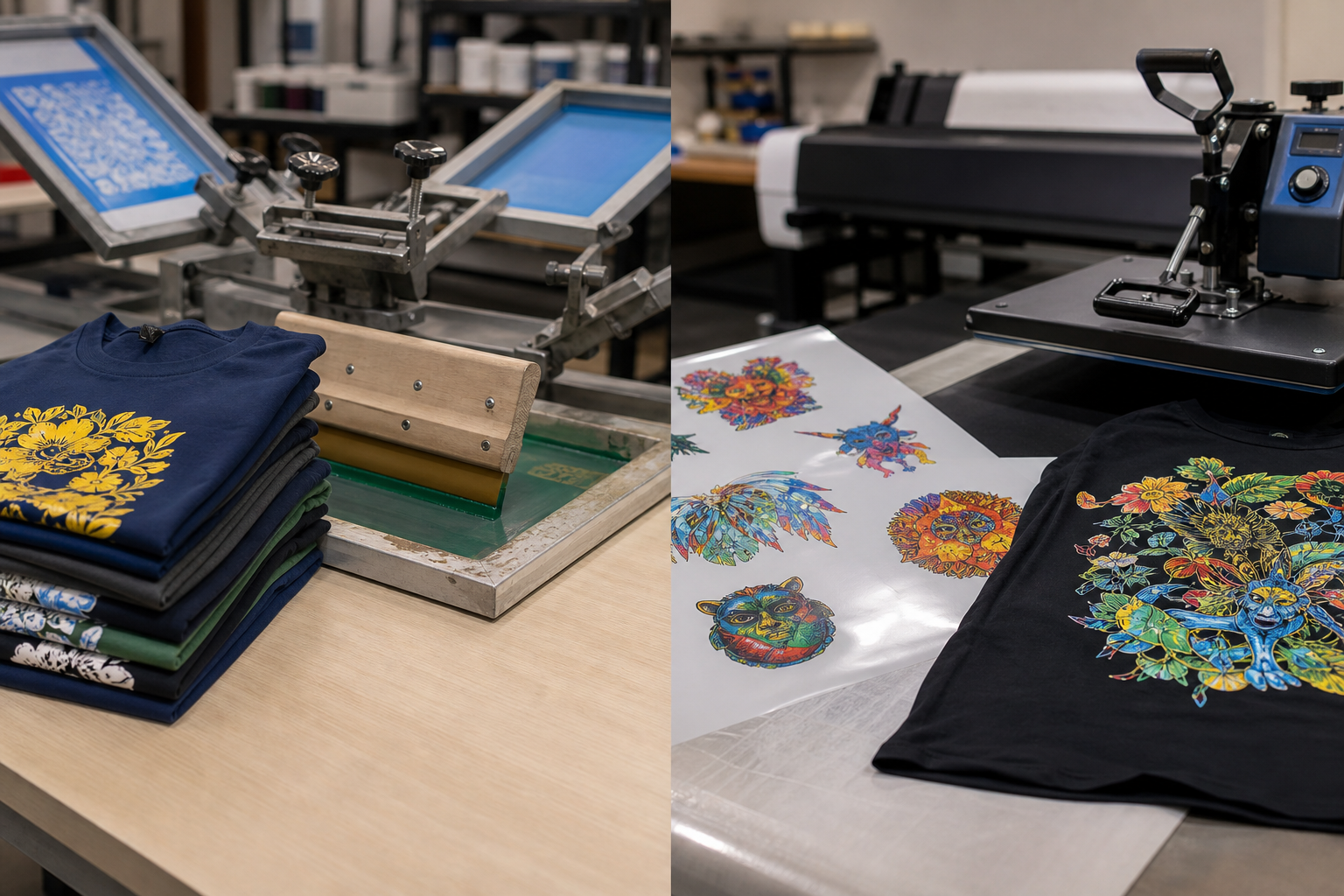
Compare DTF vs sublimation shirts for small runs, cotton vs polyester, color limits, and wash durability. A practical buyer guide for shops and event merch orders.
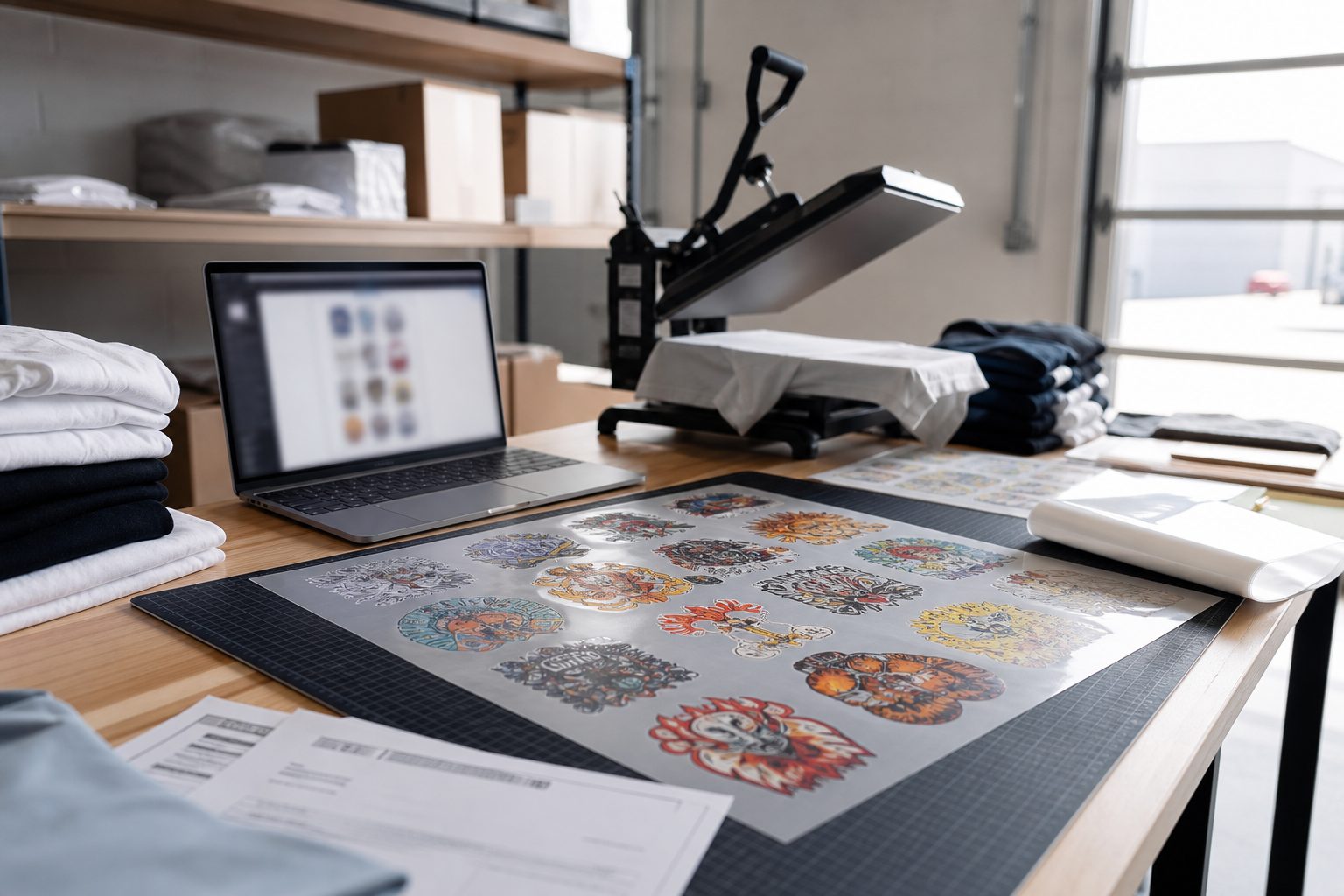
How much space to leave between DTF designs on a gang sheet. Margin rules, bleed, cutter tolerance, and a spacing checklist before you send a sheet to print.
Blurry DTF prints usually trace back to resolution, scaling, or RIP settings. A troubleshooting workflow to diagnose soft edges, muddy text, and reprint causes.
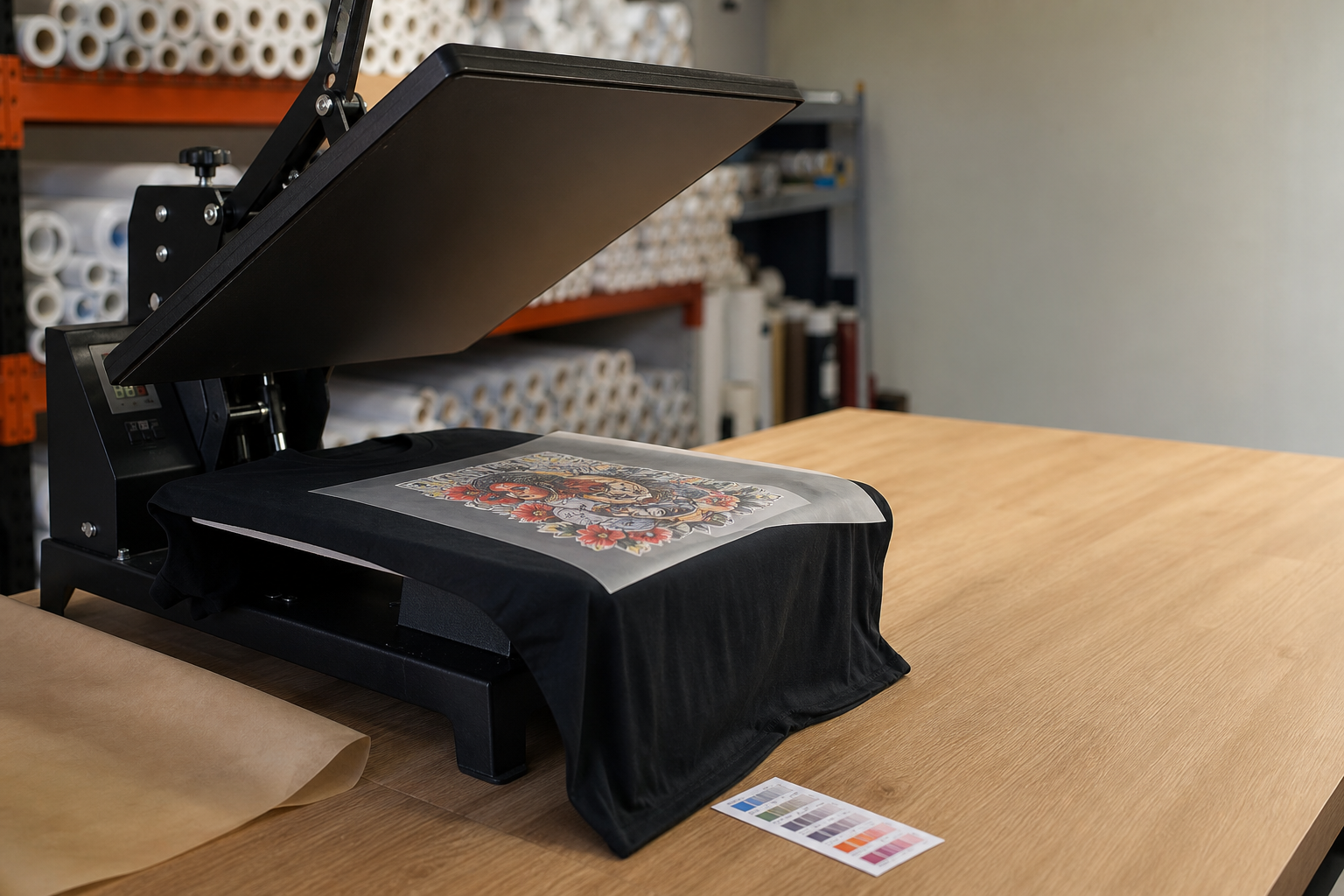
Why DTF transfers peel at the edges after wash or right off the press. Pressure, peel timing, fabric, and film checks with a step-by-step fix list.

Improve DTF shop floor efficiency with print-to-press flow, QC stations, and gang sheet handoffs. A practical layout guide for growing transfer shops.
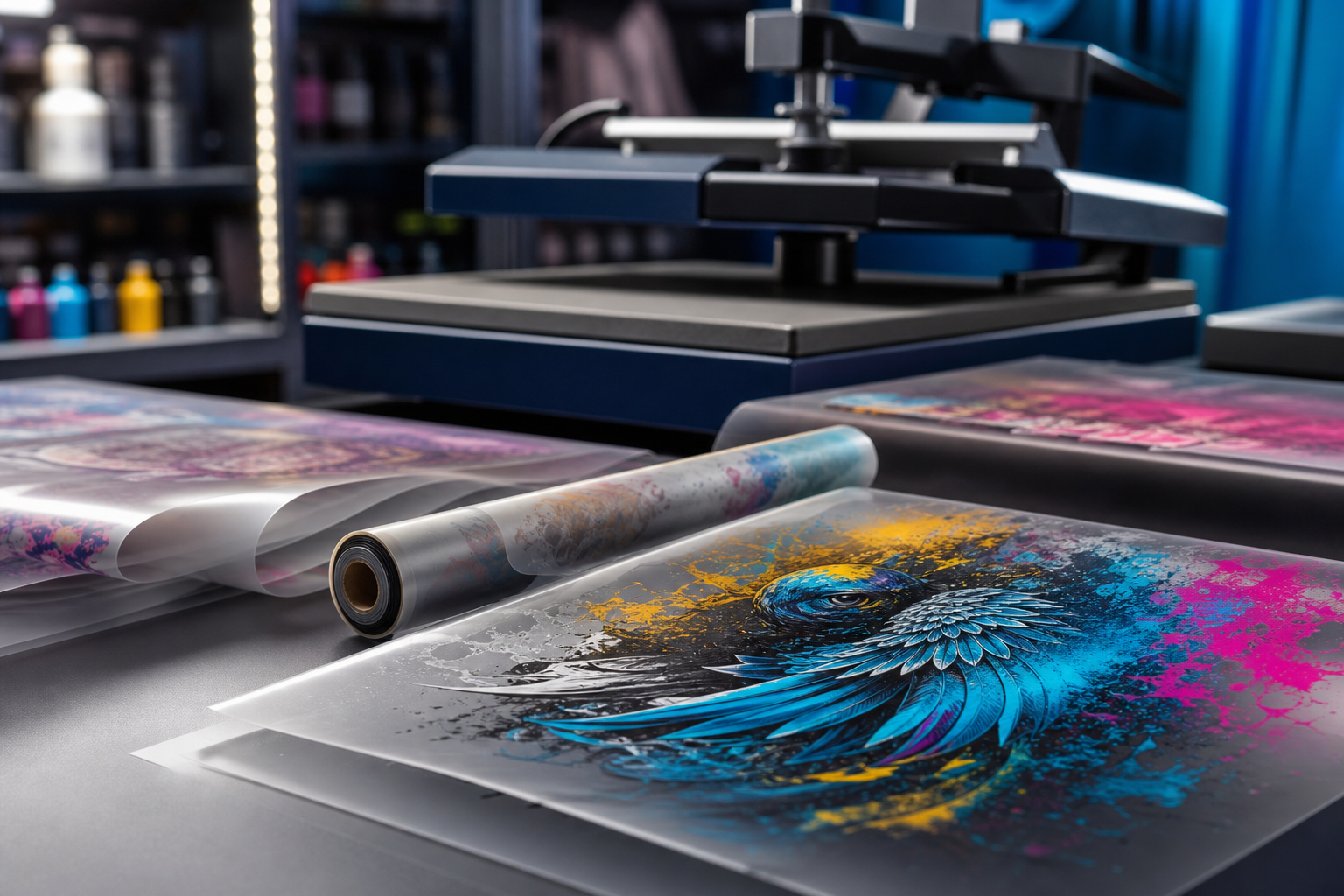
Order sample DTF transfers before bulk runs to validate press settings, fabric blends, and color on your shop equipment. A short buyer checklist with free sample options.
Formulated Prints is the DTF store we use to test Pro Transfers Builder against real customer uploads. Here is what that relationship actually looks like and why it keeps the software honest.
A step-by-step DTF production workflow for print shops: intake, preflight, gang sheet layout, print, powder, cure, and press. Use this checklist to cut reprints and missed deadlines.
Fix DTF powder curing problems: tacky film, poor powder adhesion, uneven cure, and transfers that peel after wash. Practical checks for temperature, time, and humidity in your shop.
Troubleshoot DTF white ink problems: clogging, weak underbase, banding, and color shift. Maintenance and RIP settings print shops use to keep white channels reliable.
How Shopify print shops handle customer upload gang sheets: file rules, sheet limits, order-linked exports, and why manual email art slows DTF production.
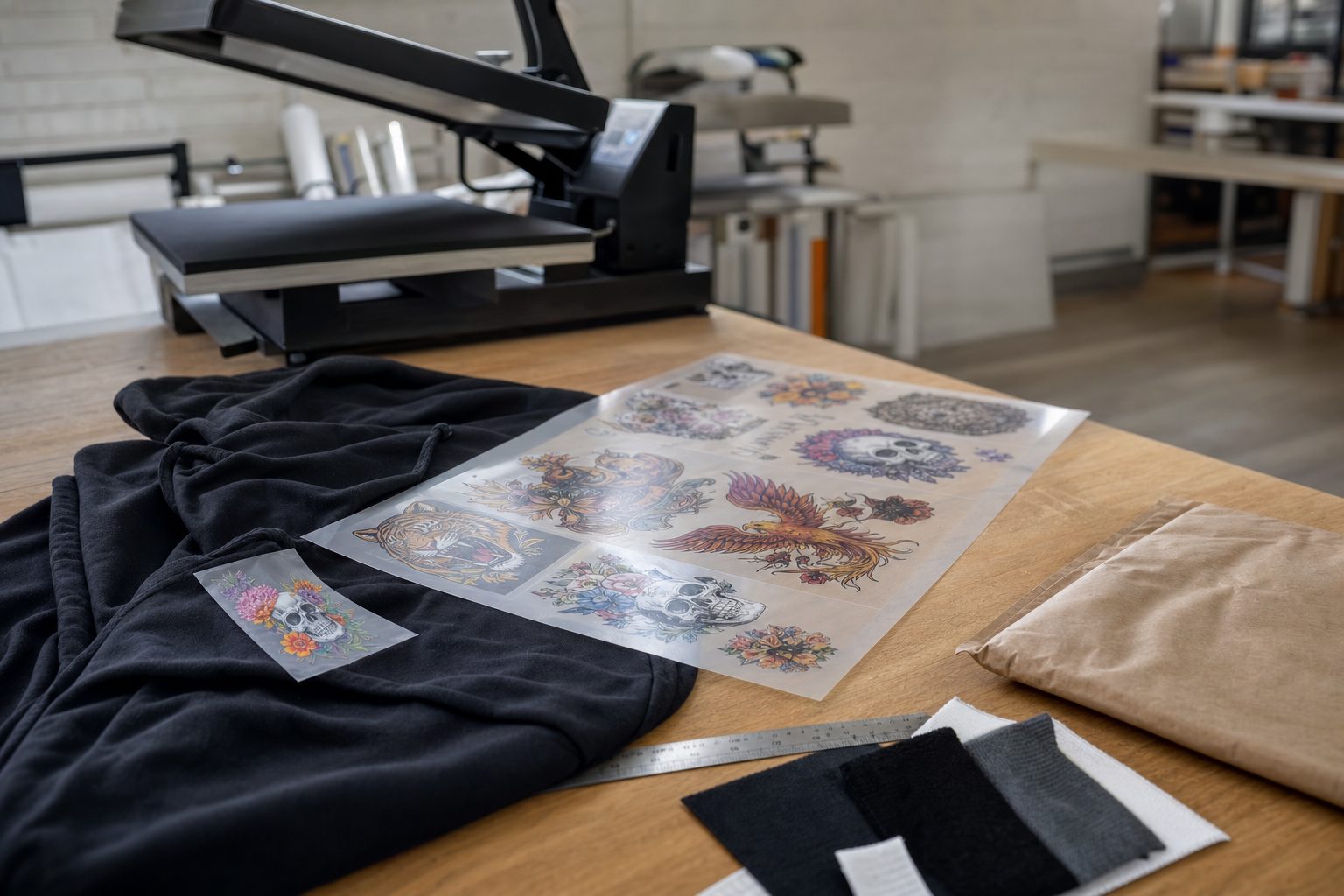
Practical gang sheet nesting tips for DTF print shops: margins, rotation, mixed job sheets, bleed, and when manual placement beats auto-nest.
Learn the DPI and resolution settings that keep DTF transfers sharp on press. A practical export checklist for customer uploads, gang sheets, and reprint-prone artwork.
Compare DTF and screen printing for small batch apparel orders: setup time, color count, minimums, and what to quote when a customer needs twelve shirts—not twelve hundred.
Compare DTF and vinyl heat transfer for custom apparel: durability, detail, setup cost, and when each method wins for small print shops and Shopify stores.
UV DTF and textile DTF are not interchangeable. Learn surfaces, adhesives, customer expectations, and when to route orders to each transfer type.
A plain-language guide to Formulated Apps, Pro Transfers Builder, DTF Transfers Builder, and how Formulated Prints fits into the workflow.
Most gang sheet tools look the same in a demo. Here is what separates production-ready builder software from layout toys: order-linked workflows, real nesting, customer upload rules, and fewer reprints on press day.
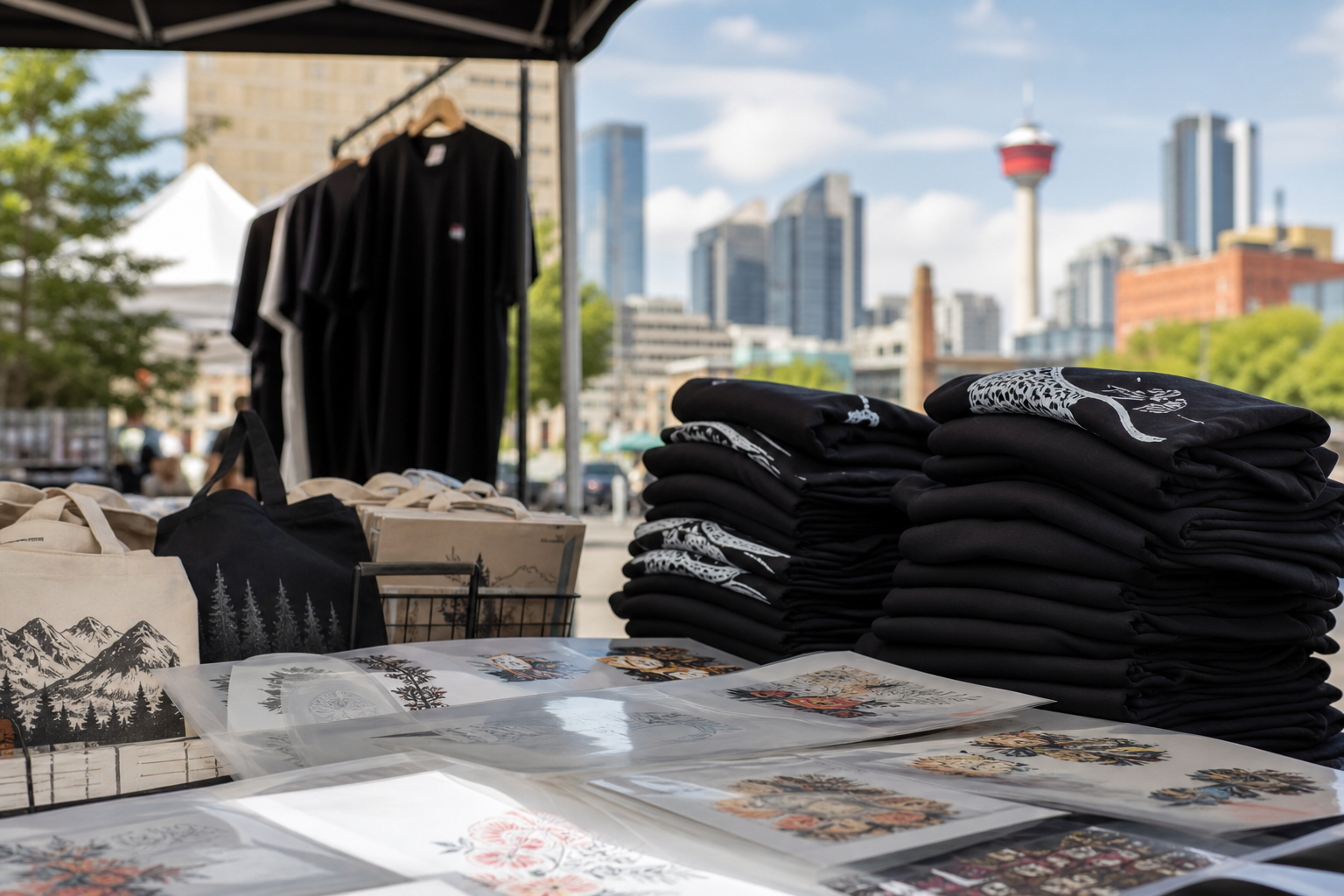
How Calgary pop-up vendors, market sellers, and small shops prepare custom shirts, totes, and aprons for summer markets in YYC. File prep, small runs, turnaround, and what to order before your next booth day.
A practical guide to DTF heat press temperature, time, and pressure. How to test settings on your own press, avoid peeling and cracking, and build a repeatable pressing checklist for your shop.
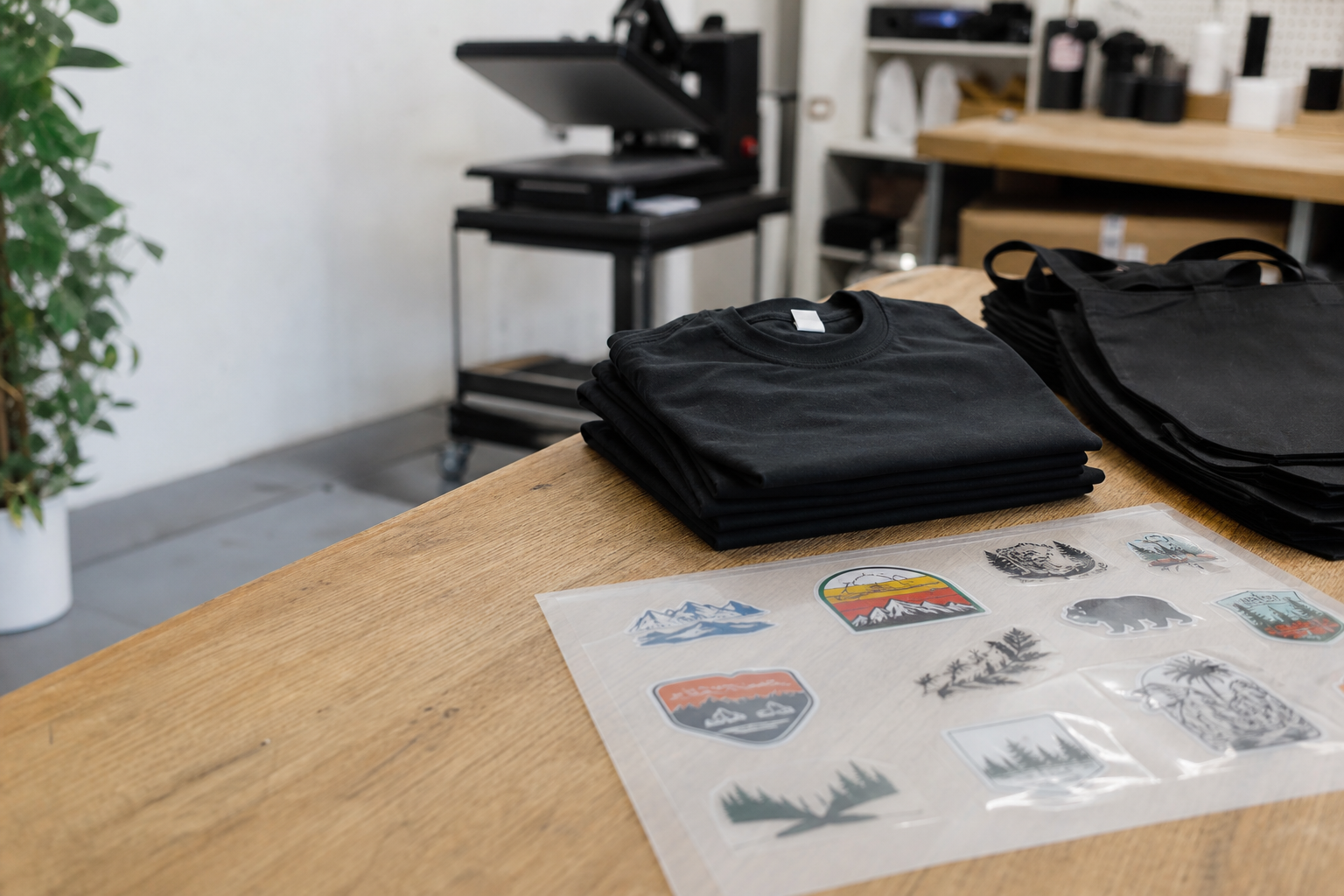
How Calgary pop-ups and small shops use custom DTF shirts, aprons, and totes to look professional at events. File prep, small-run gang sheets, and what to order before your next market day.
A field-tested checklist for buying DTF transfers: file rules, gang sheet workflow, UV DTF use cases, samples, turnaround, and the signals that separate dependable suppliers from risky ones.
Manual gang sheet prep creates slowdowns, file mistakes, and reprints. Here is where automation helps, where it does not, and how DTF shops should use it without losing control.
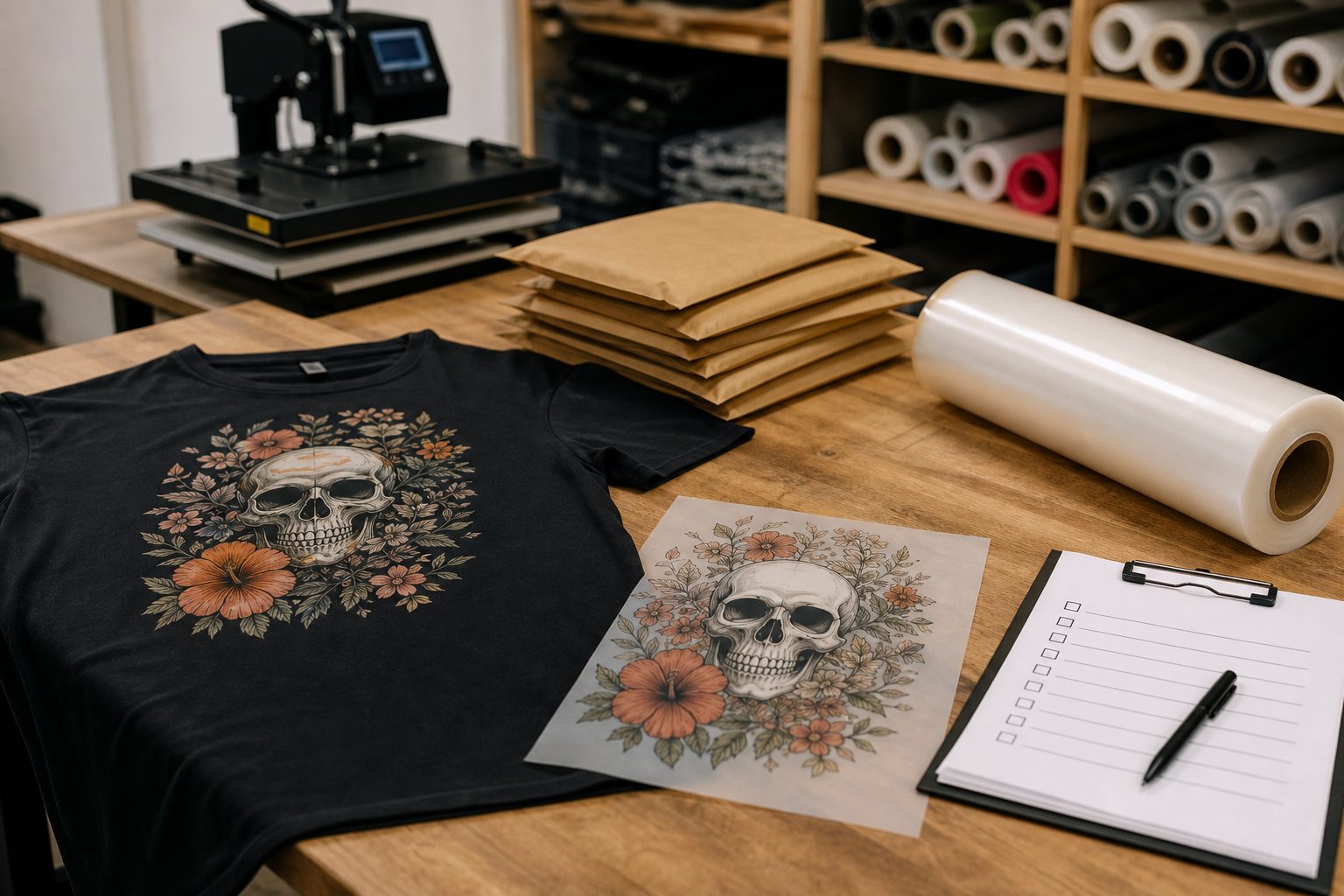
Customer retention in DTF printing comes from speed, predictable quality, and fewer file mistakes. Gang sheet software helps when it makes those three things easier to deliver.